
Occupational Noise Assessments for Workplace Compliance

Know Your Levels. Protect Your Workers. Prevent Penalties.

Under the NSW Work Health and Safety (WHS) Regulations, businesses must complete occupational noise assessments and arrange audiometric testing for workers exposed to hazardous noise before January 1st 2026. Non-compliance can lead to significant fines and potential legal risks.

At Hayden Health & Safety, we provide comprehensive workplace noise assessments to help businesses meet legal requirements, protect their workforce from hearing damage, and maintain a safe, compliant work environment.
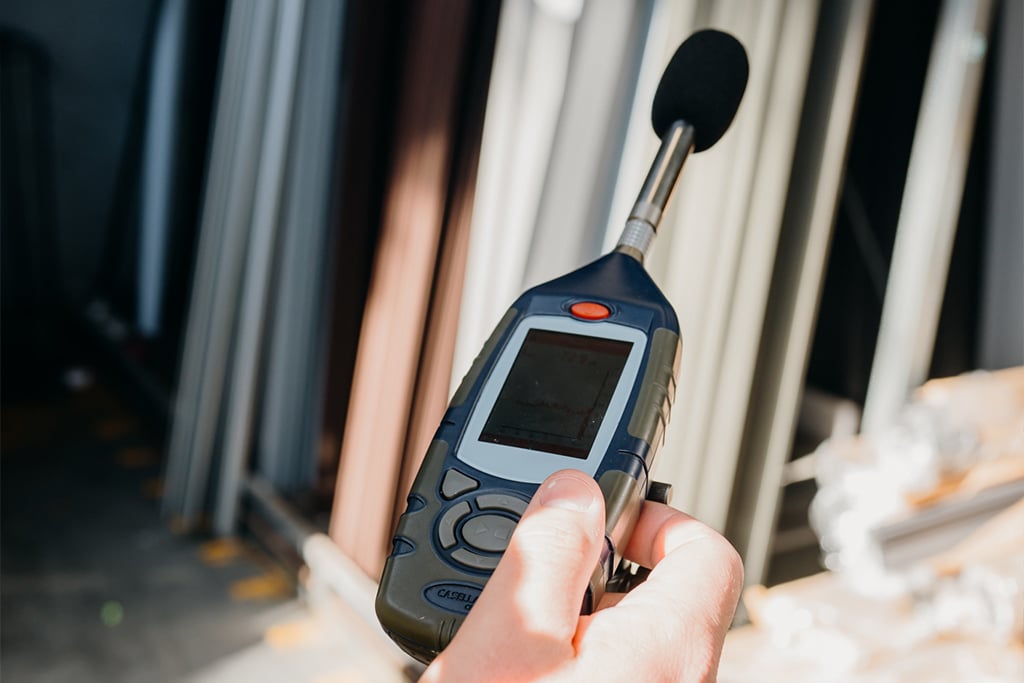
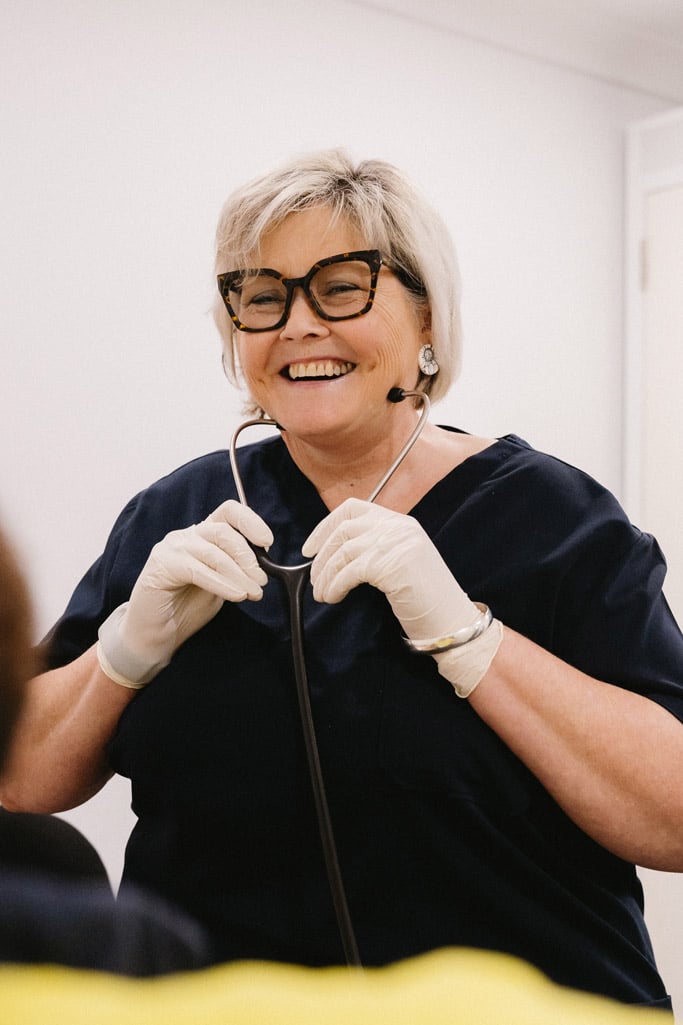
Excess Noise is a Hidden Hazard

Prolonged exposure to hazardous noise can cause irreversible hearing loss and trigger serious penalties under WHS legislation.

We help you:

  • Measure noise levels across your site
  • Identify workers at risk and required PPE
  • Meet legal duties under Regulation 56-59 (NSW WHS Reg 2027)
  • Build a plan to monitor, reduce and manage exposure

What to Expect from Our Noise Assessment

  • On-site workplace assessment with minimal disruption to operations
  • Static (area) & personal noise exposure monitoring
  • Detailed compliance report with expert recommendations
  • Guidance on noise control measures & PPE solutions

Our services adhere to AS/NZS 1269.1:2005 standards, ensuring your noise assessment is fully compliant and effective.

Request an Occupational Noise Assessment

Stay compliant, avoid penalties, schedule a workplace noise assessment ASAP

Testimonials from our partners

Occupational Noise Assessment FAQs

An occupational noise assessment identifies areas in the workplace where noise levels exceed safe limits and helps employers implement control measures to protect workers from noise-induced hearing loss.

The assessment involves measuring noise levels in different areas of the workplace using sound level metres. The data collected is compared to regulatory limits, and recommendations are made to reduce noise exposure.

Noise assessments should be conducted every five years or sooner if there are changes in equipment, processes, or the workplace layout that could affect noise levels.

If noise levels exceed the safe limit (85 dB(A)), the employer must take action to reduce exposure. This could involve engineering controls, administrative controls, or providing personal protective equipment (PPE) such as earplugs or earmuffs.

Yes, WHS regulations require employers to assess and manage noise risks in the workplace to prevent hearing damage among employees.

Yes, if you have introduced a new piece of machinery or process, we can absolutely assess the noise it generates and how it impacts your overall site exposure levels.

However, we don’t offer assessments for the public, community noise complaints or residential disputes.

Our assessments are designed for workplace WHS compliance and support your obligations under AS/NZS 1269.1;2005.

Meet our Team